
You can’t be a sperm donor without also being a biological father.
We Are Donor Conceived via Instagram
My first father died when I was four. I barely knew him. But would anyone have told me never to wonder about him? That I shouldn’t care to know more? That he was not my father because he didn’t raise me and only contributed to my genetics? No. They would not. They did not.
My now deceased adoptive stepfather raised me, and he is and always will be Dad. But that did not stop me from wondering about my genetic origins from my first father as a young child, teenager, and adult. It did not stop me from wondering what traits my sons inherited from my first father.
When I found out I was actually donor conceived and realized my true biological father was not dead, my curiosity shifted. I still wanted to know my biological father but now I had a chance.
Here is the truth: To you, the person who provides egg or sperm might be a donor. You can call them that if you wish. But we are all born with two biological/genetic parents. It’s a scientific fact. If that is a triggering thought, delve into why. As a donor conceived person who has since been rejected by my biological father, I have now endured years of therapy and medication to reach a point of beginning to accept that he is not in my life. But I have emotionally dealt with an absent biological father for two different reasons—a death in my early childhood and now by his choice—and in neither situation did the reason for the person’s absence diminish my curiosity.
It is not a raising parent or absent biological/genetic parent’s outlook or choices that dictate how the donor conceived person or naturally conceived person will feel about wanting to know an absent biological/genetic parent. Why choose to have an even partially genetic child if you can so easily dismiss the importance your child might someday place on the genetic connection to their missing biological parent?
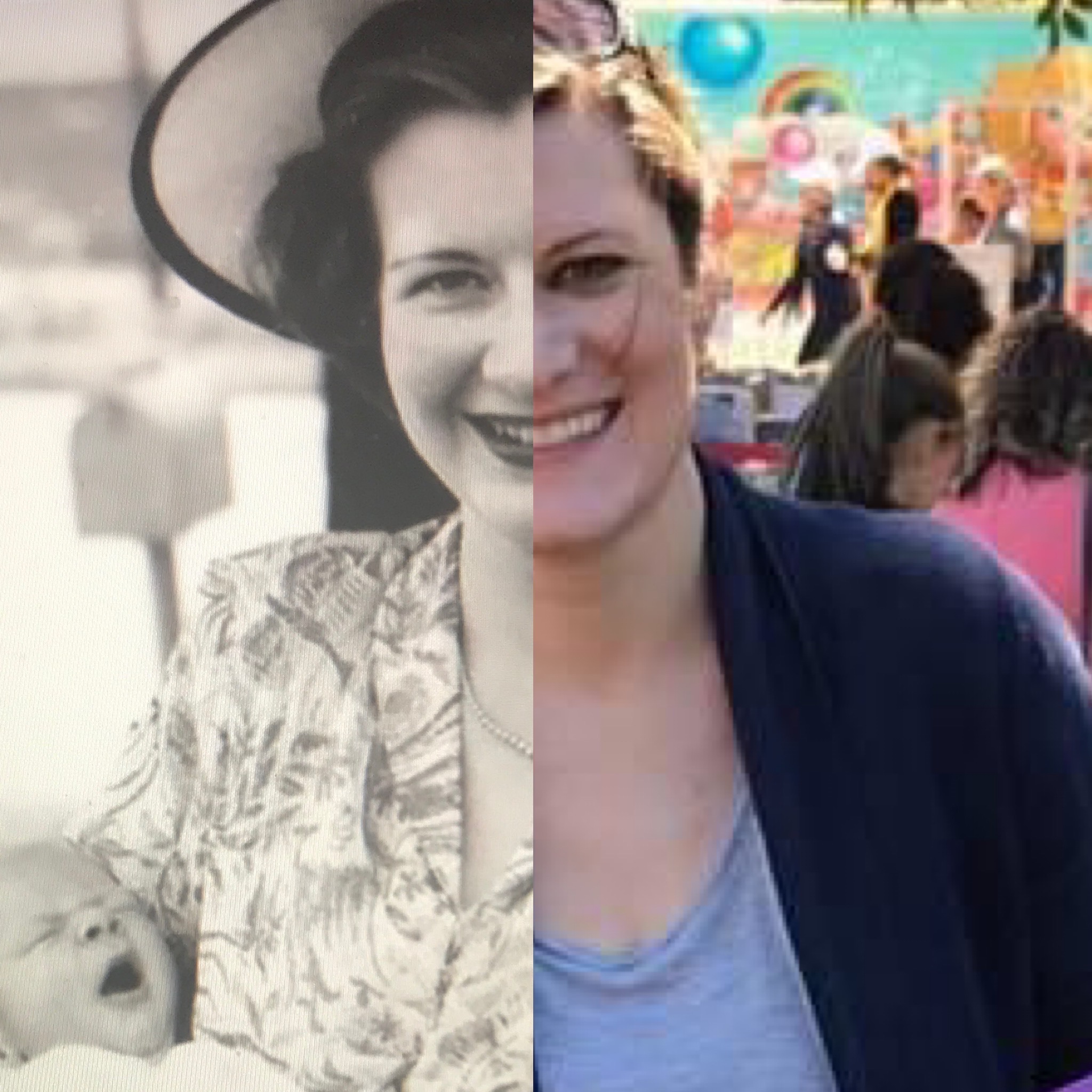
Tiffany Gardner. Originally posted to Instagram on May 3, 2021.
 A Donor Conceived Adult