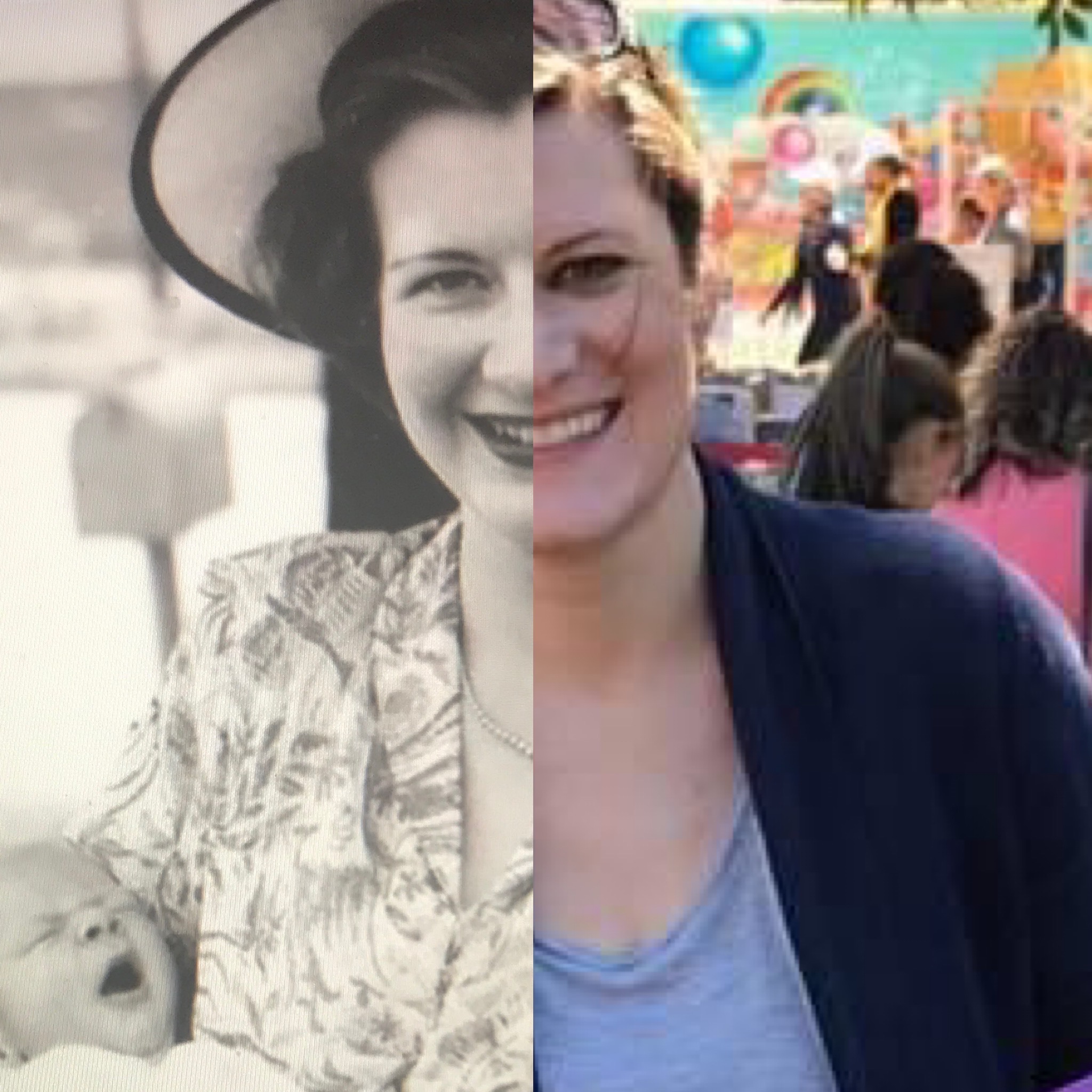

My oldest son turned 8 yesterday. This time with my children is flying by, just as everyone said that it would. He is insightful, sensitive, artistic, curious, kind, and funny. He loves Minecraft, Harry Potter, LEGOs, Star Wars, creating art, reading with me, and playing video games. Out of all three of my sons, he favors me most in terms of looks and temperament. He also favors my bio father, the person he knows as “Mommy’s artist friend who made her cry.”
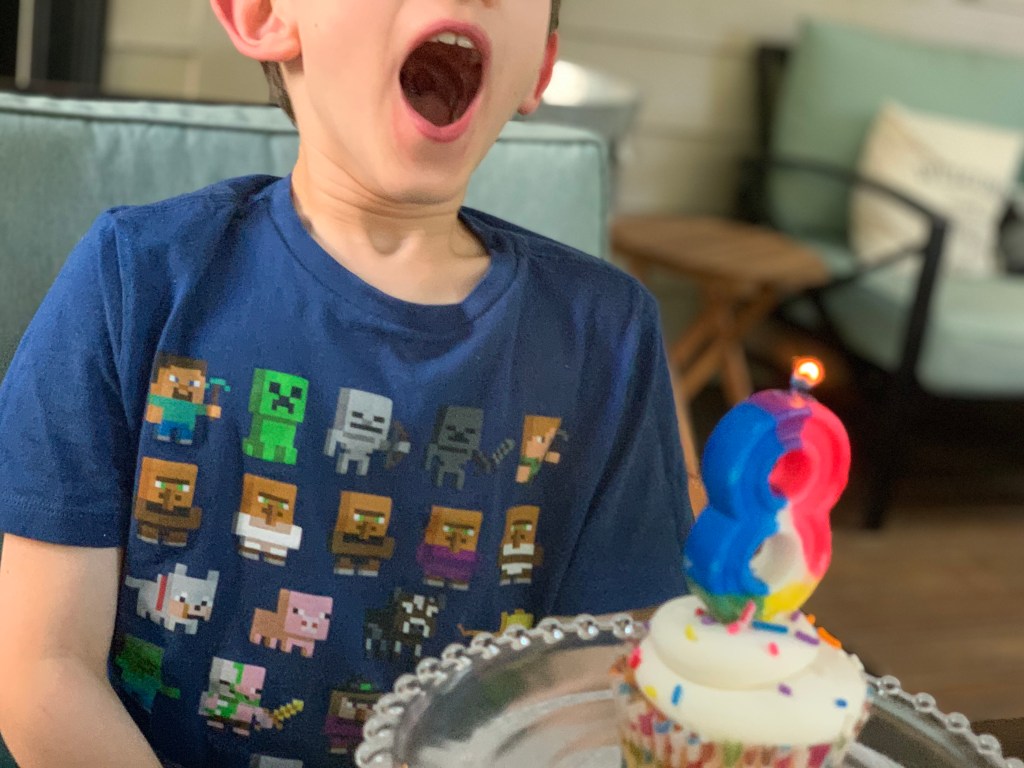
I wish I could spare him the rejection he may someday feel over the fact that his bio grandfather once loved hearing about his artistic talent and seeing pictures of him but, one day, decided he could have nothing to do with us. The rejection by my biological father does not just impact me—it will impact my children as well.
When my husband and I decided to start a family, I approached the process with Type-A determination. So, because I tracked my cycles, used ovulation tests, and took my basal body temperature, it did not take long to discover my own infertility. Without medication, my body would have been unable to sustain a pregnancy. I also learned I had below average AMH. Our doctor said if we wanted more than one child, we should not wait long between them. I was at the start of my 30s.
My infertility story is nothing compared to the heartache many couples feel, but I can empathize with the feelings of helplessness, frustration, and grief. And I remember thinking I would do anything to have an at least partially related child. The implications the child would face, if we used a donor, never entered my mind. I was raised by my now-deceased adoptive stepfather (my “dad”), and DNA had not mattered.
Everything that has happened since having my sons, including learning I was donor conceived, meeting my bio father, and then being rejected by genetic family, has changed my perspective. It has changed my life. And it will impact my sons’ lives as well.
 A Donor Conceived Adult