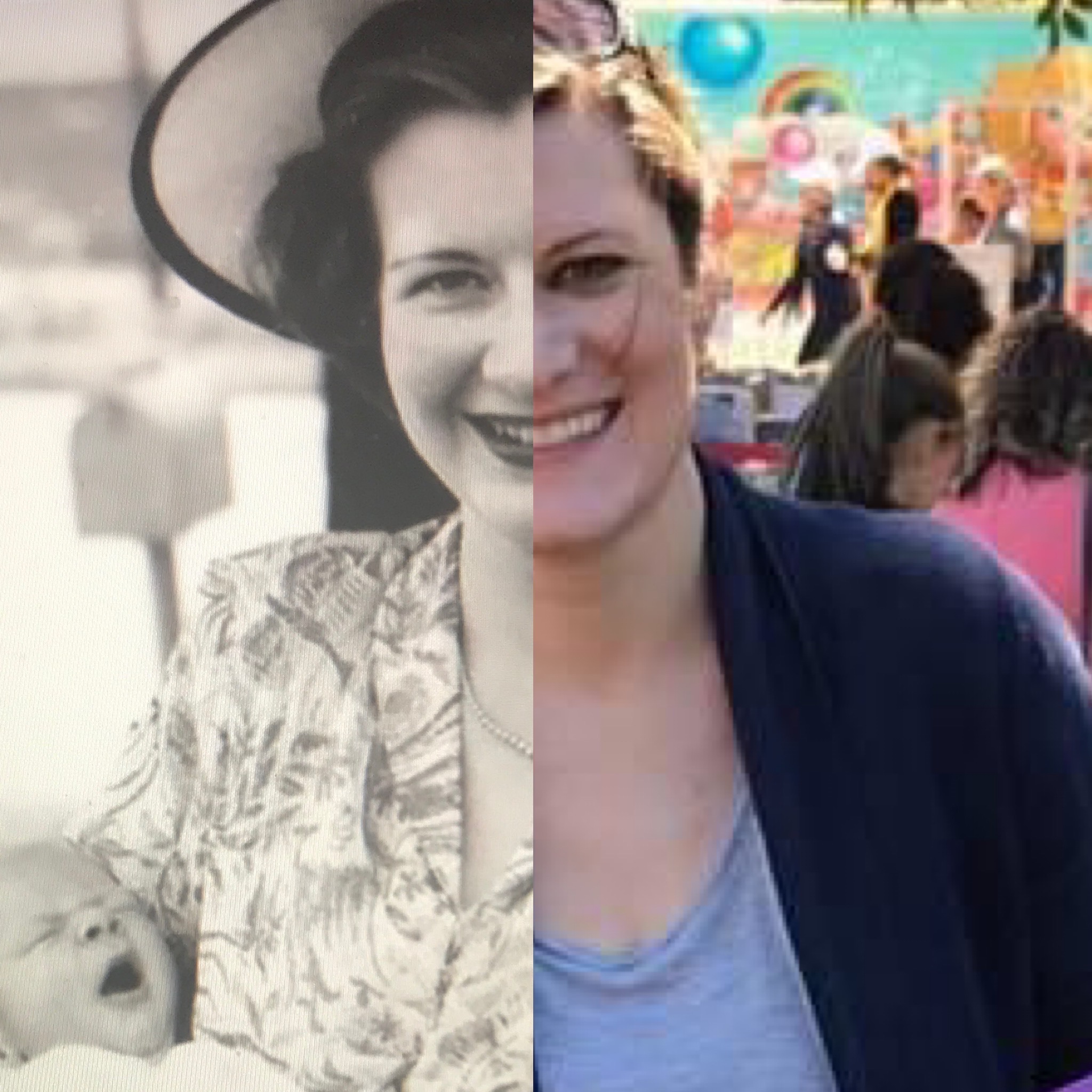

The waiting game. I’ve lost count of the number of moles I’ve had cut off and biopsied, but this week and next I will be waiting for the results to see whether one on my face is malignant or benign. When I was pregnant with my first son, a precancerous mole appeared on my ear just weeks before his due date, sending me into a spiral of hysteria as we made sure all of the cells were removed.
Having grown up with a mortal fear of dying of colon cancer in my 30s, I have never taken cancer risks lightly. And yet I was the only person in my immediate family covered in freckles and moles. Sure, my grandmother had moles as well, but hers were distinctly different from my own and so I could never quite understand why mine did not look at all like hers.
Then I learned I was donor conceived. I learned I was no longer at risk of dying of colon cancer in my 30s for hereditary reasons, but now I knew where my potentially cancerous moles came from because a son raised by my biological father also has them—from what I can tell in pictures.
I also learned that my children and I are at risk for other illnesses that would not have been on my radar but doctors would want to know about. I learned information vital to not only my continued health and success but also that of my sons. I learned information that helped me become a better parent to my sons—to allow me to better care for my sons and myself. I learned information that was never provided to my parents and never would have been provided.
Anonymous donation was supposed to prevent my access to this information, and for many, anonymity still does and always will. Donor conceived people deserve access and #answersoveranonymity.
 A Donor Conceived Adult